
Maths Playground Markings: Games, Ideas and Curriculum Links
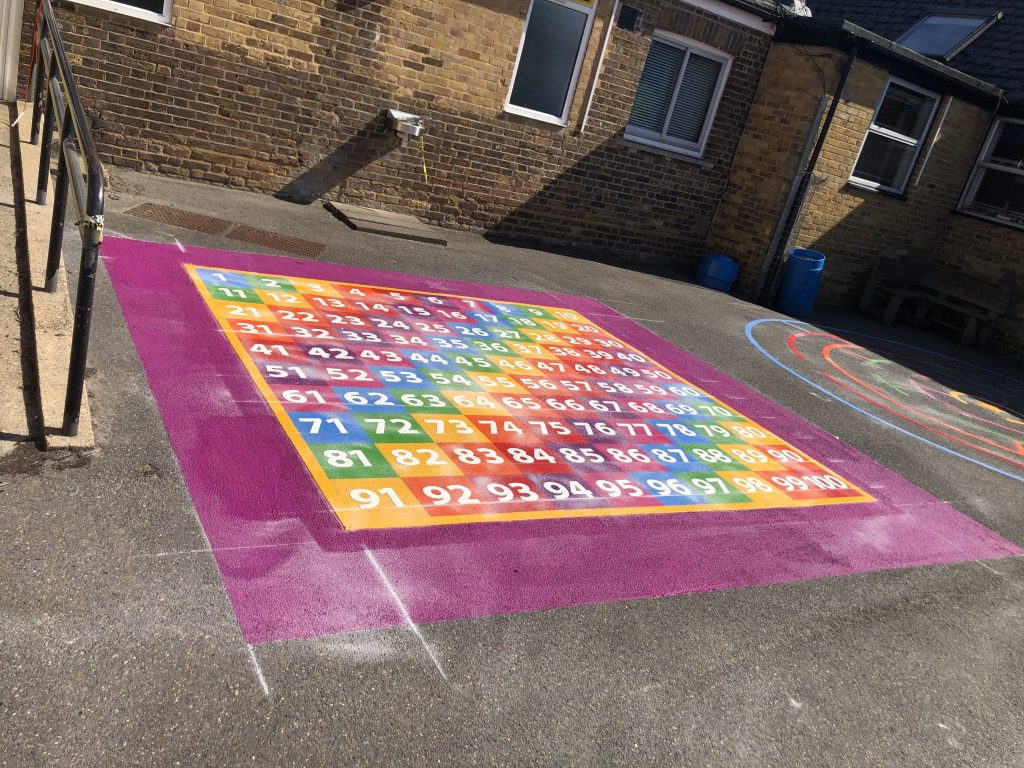
Maths playground markings are thermoplastic playground markings, such as number grids, number snakes, hopscotch, clocks, compasses and shapes, that give pupils a permanent place to practise counting, calculation, time, direction and geometry while they play. For a school, they turn break times and outdoor lessons into extra maths practice without adding anything to the timetable.
We have installed maths markings for schools and nurseries across the UK. This guide brings together what we have learned: which designs to choose, how they link to the curriculum, the games pupils play on them and how to plan a maths playground that lasts.
Which maths playground markings can a school choose?
A school can choose from number grids, number snakes and ladders, hopscotch, snakes and ladders, target games, playground clocks, compasses, maps, shapes and graph designs, or commission a bespoke maths design built around its own scheme of work. Most schools combine several so every age group has something to use.
The designs we install most often for maths are:
- Number grids for counting, number recognition and spotting times table patterns.
- Number snakes, caterpillars and ladders for counting forwards and backwards and for number line jumps.
- Hopscotch, a traditional game that gets younger pupils familiar with numbers in order.
- Snakes and ladders for counting on, counting back and taking turns.
- Target games for scoring and simple addition.
- Playground clocks for telling the time on an analogue face.
- Compasses, maps and roadways, including 4-point and 16-point compasses, for direction and position.
- Shapes, mazes and graph designs for geometry, pattern spotting and early data work.
You can see the full range of number grid playground markings on our site. If you have something particular in mind, our in-house graphic designers will work with your teachers on bespoke maths markings, from multiply and divide, add and subtract and fractions games to pre-algebra puzzles and graphs.
How do maths playground markings support the EYFS, KS1 and KS2 curriculum?
Maths playground markings support the curriculum by giving pupils a large, physical version of the number lines, grids, clocks and shapes they already use in class, so concepts from the EYFS through KS1 and KS2 can be practised outside with the whole body rather than on paper.
Younger children in the Early Years Foundation Stage (EYFS) and KS1 use the markings to count, recognise numbers, learn shapes and start telling the time. Older pupils in KS2 use the same grids and compasses for multiplication, fractions, direction and more open problem solving. Our team can advise on which designs suit each age group at your school. These are the main areas of maths the markings cover.
Number value and counting
Simple number markings help children learn to count forwards and backwards, and a number grid works as a large visual aid for number recognition. Children can hop, step or call out each number as they go.
Addition and subtraction
In class, children use number lines to work out answers. On the playground they do the same thing physically: jump one step forward on the number grid to add 1, or one step back to subtract 1, then build up to bigger jumps. Target games bring simple addition into scoring.
Multiplication, division and fractions
Number grids can be used for multiplication hopscotch and for spotting times table patterns, while multiply and divide or fractions games give KS2 pupils a more structured challenge.
Telling the time
Many children now see the time on phones and tablets rather than on analogue clocks, so reading a clock face can be a challenge. A playground clock lets children learn the time on a giant face as part of a game, and we have clock designs in different colours and shapes to keep them interested. There are more ideas in our guide to maths playground clock games.
Time can be measured as well as read. Children can count how many steps it takes to complete an activity on a fitness trail or a Daily Mile track, and teachers can add a timer so pupils record and compare their results.
Position and direction
Compasses, maps and roadway markings make direction practical. We offer 4-point and 16-point compasses and bespoke roadways, and our team can design a bespoke map so children learn about their local area at the same time. Compass designs are also a good starting point for talking about angles.
Shape, pattern and geometry
The playground is a good place to learn about shapes. Children can look for shapes in the markings, match them to what they have learned in class and use their own bodies to make and connect shapes, which gives them a foundation for later work on 3D shapes. Recognising and predicting patterns and sequences on a number grid builds early reasoning skills too.
Which maths playground games can pupils play on the markings?
Pupils can play number hopscotch, number grid jumps, relay races, counting and estimation games and target scoring games on maths playground markings, and they often invent their own games once the markings are down. These are some that teachers and pupils use.
Number hopscotch
Turn a traditional hopscotch into a maths game by asking children to solve a sum for each square they land on, or to add up the numbers they hop on. For the youngest pupils, calling out each number as they hop is enough.
Number grid jumps
A teacher or a pupil calls a starting number and a calculation, such as "add 1" or "take away 1", and the player jumps to the answer. It mirrors number line work in class, and the rest of the group checks the answer.
Multiplication hopscotch and addition relays
Arithmetic comes alive with games such as multiplication hopscotch and addition relay races, where teams run to the grid, solve a sum and run back so the next player can go.
Counting and estimation games
Counting games suit the youngest children. For estimation, ask pupils to guess the number of objects in a pile or the distance to a marking, then count or measure to check how close they were.
Snakes and ladders and target games
Number snakes and ladders practises counting on and back, while target markings turn throwing practice into simple addition as children add up their scores.
Games the children make up
Children also use maths markings to create their own games, which helps them remember what they have learned in class. Leaving some designs open, such as a plain number grid, gives them room to do this.
Why do maths playground markings help children learn and remember maths?
Maths playground markings help children learn because they combine physical activity with maths, which keeps pupils engaged, helps them retain concepts and shows them how classroom maths applies in the real world. Learning outside also feels less formal, so children who switch off in class often join in.
- Active learning: children learn with their bodies as well as their minds, which helps them recall both basic and more complex concepts.
- Better retention: repeating counting, times tables and calculations through games at break time reinforces classroom lessons.
- Real-world relevance: pupils practise applying the skills they have learned in class and see why maths matters.
- Space to explore: the playground gives children the freedom and room to understand key concepts at their own pace.
- Problem solving and teamwork: group games get children talking, taking turns and working out solutions together, which builds social skills.
- Inclusion: the hands-on approach suits different learning styles and abilities, and children who struggle with classroom maths can often take part at their own pace.
- A break from routine: taking a lesson outside breaks up classroom learning, which is especially useful for engaging early years children.
How should a school plan a maths playground for different age groups?
A school should plan a maths playground by mapping the maths it wants to reinforce for each age group, then placing designs where those pupils play, with simple counting and shape markings for EYFS and KS1 and more challenging grids, compasses and puzzles for KS2.
Some practical points from our projects:
- Mix maths with other markings. Many schools combine maths markings with letter games, mazes, shapes, prints and creative designs, so the playground offers a varied experience rather than a single subject.
- Choose timeless designs. Because thermoplastic markings last for years, we recommend core designs such as number grids, clocks and compasses that every new class will use.
- Involve teachers and pupils. Teachers know which topics pupils find hardest, and children can have input into bespoke designs.
- Work with the space you have. We plan maths playgrounds for both big and small spaces and fit the designs to the area available.
- Replace worn markings. If your school already has old, faded markings, our team can remove them and replace them with new thermoplastic designs.
After an initial site visit we send you a mock-up of your playground, so you can see how the designs will look before anything is installed.
Why are thermoplastic maths playground markings a practical choice for schools?
Thermoplastic maths playground markings are a practical choice because they are durable, slip resistant and low maintenance, and they keep their colour for years, so a school pays for the designs once and every year group benefits.
Our markings carry a manufacturer's warranty of up to 4 years, subject to ground condition, and we have seen them last over 10 years. They are ready to use within 30 minutes of installation, and our DBS-checked installation team travels to schools across the country. As an indicative guide, prices start from around £50 for a single design, excluding VAT.
How can our school get started with maths playground markings?
Your school can get started by contacting our team to arrange a site visit, where we look at your playground, talk through the maths you want to support and then prepare a mock-up of the proposed layout.
We are happy to share examples of previous maths playgrounds and to work with you on designs your pupils will use every day. Call our team on 0333 321 6699, email [email protected] or contact us online and we will be in touch as soon as possible.
Ready to transform your playground?
A free design and a detailed quote, with no hidden costs and our price match promise.
All prices include installation, and every quote is fully itemised.
- Free design and site survey
- No obligation
- Our own in-house installation team
More from the blog
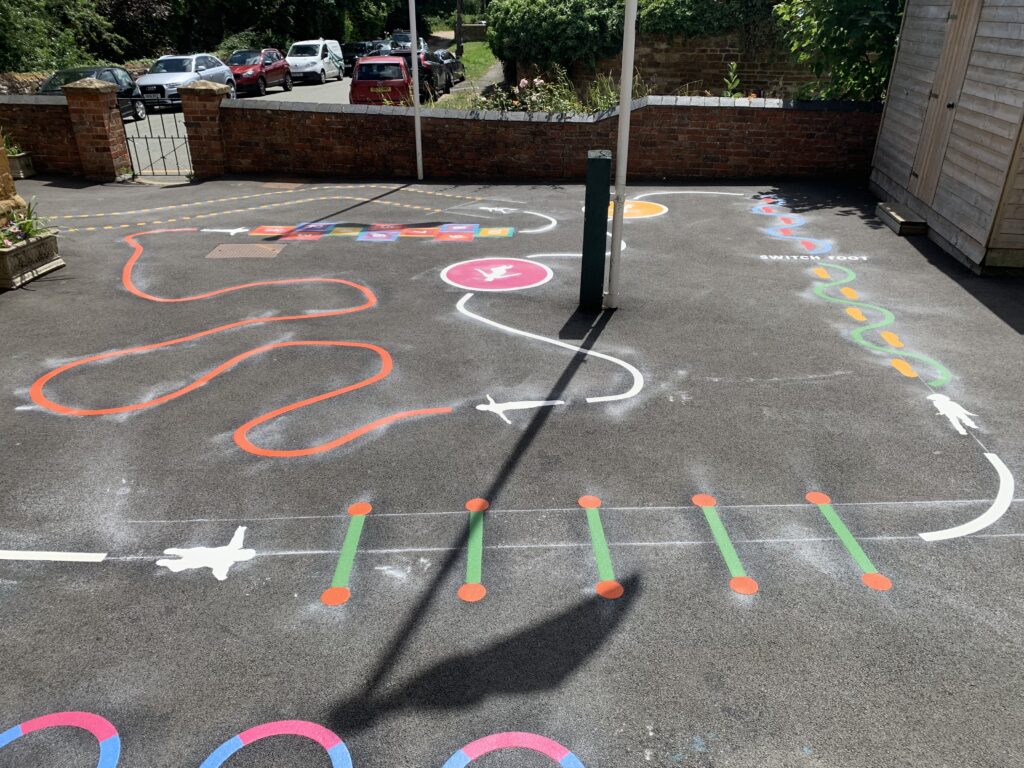
MUGA Markings: Creating a Multi-Use Games Area for Schools
What a MUGA (multi-use games area) is, which sports and drills its markings can include, how schools use one and how a new MUGA is funded.
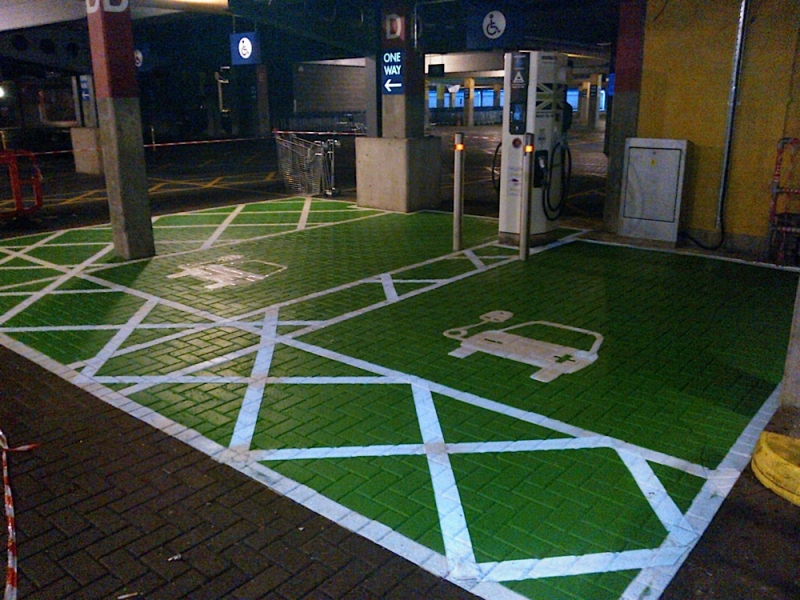
Not just playground markings: Carparks and corporate
More and more we are asked to use our expertise to improve business premises and make them safe for traffic.
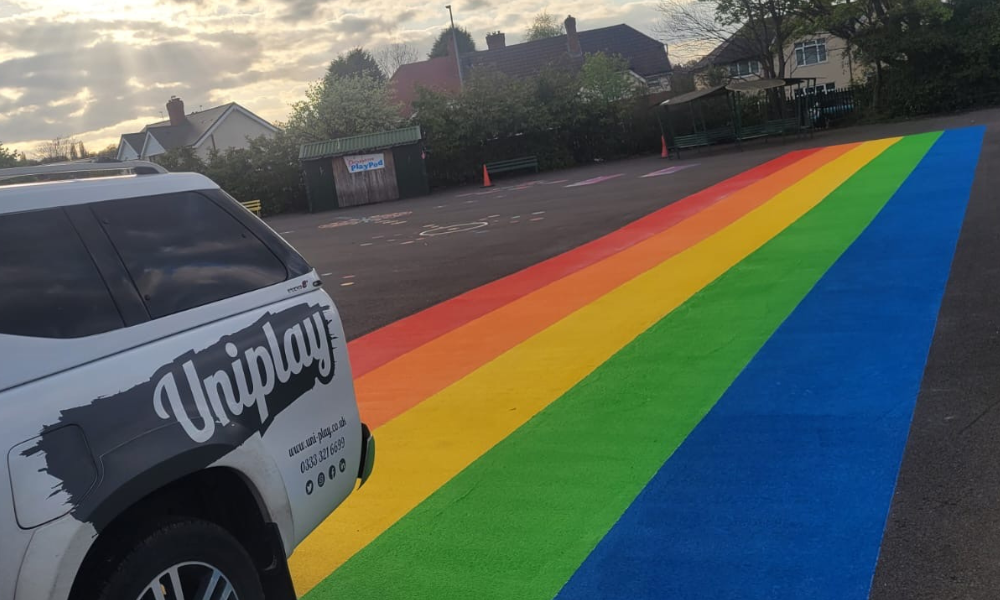
Playground Grants for UK Schools, Nurseries and PTAs
Where UK schools, nurseries and PTAs can find playground grants, what the PE and Sport Premium covers, and how to write a strong funding bid.