Playground Trails: Types, Benefits and Ideas for Schools
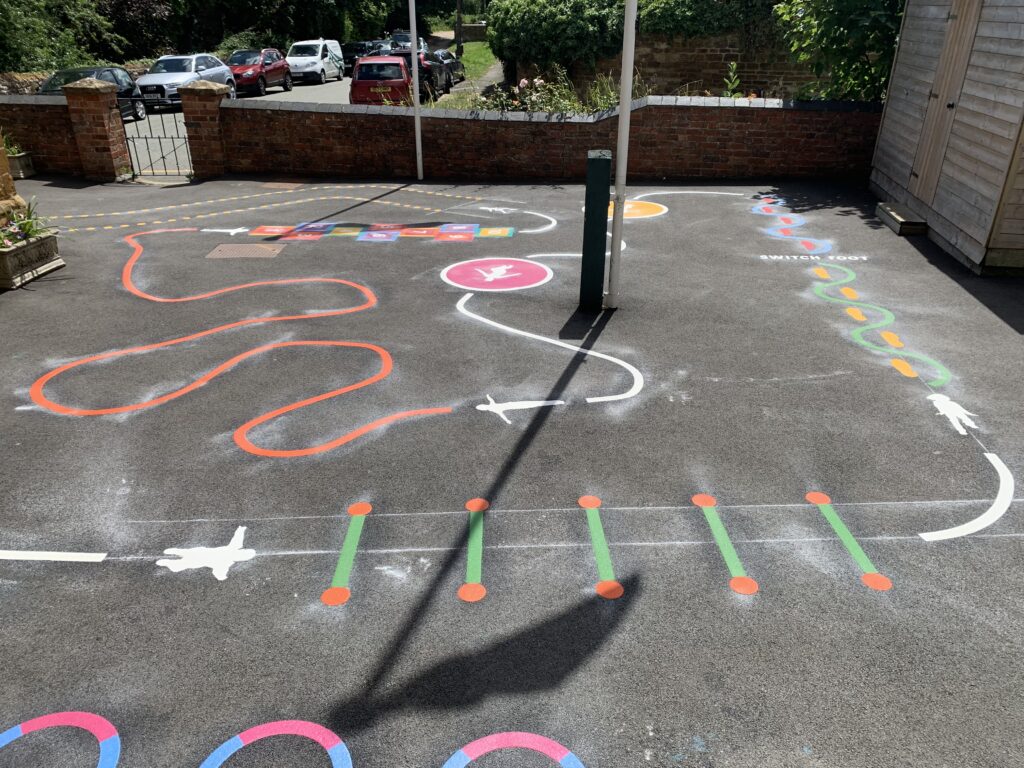
Playground trails are themed paths of thermoplastic markings that guide children through a sequence of movements such as hopping, balancing, skipping and running, turning a plain stretch of tarmac into a route for exercise, imagination and learning. Schools and nurseries use them at break time, in PE lessons and as an outdoor extension of the classroom.
What is a playground trail?
A playground trail is a series of connected markings applied to a playground surface that leads children from a start point to a finish through a set of activities, games and challenges, usually built around a theme such as a woodland, a safari or space.
Trails give structure to outdoor play. Instead of an open space with no obvious purpose, children see a clear route and clear instructions in the shape of footprints, stepping stones, arrows and symbols, which is especially helpful for younger children who are still learning what to do on a playground. We design our playground trail markings mainly for early years and primary-aged children, and the style and level of challenge can be adjusted to suit each age group and learning goal.
What types of playground trails can a school choose?
A school can choose from activity trails, fitness and race tracks, nature and safari trails, story and space trails, educational trails, dual trails and mini trails, and many schools combine more than one type to suit different ages and areas of the playground.
Activity trails and obstacle courses
Activity trails are our most versatile option. They combine jumping, balancing, crawling and sprinting into one continuous challenge, and they work well for PE lessons, break-time fun and structured fitness sessions.
Fitness tracks, race tracks and mile trails
Fitness tracks use running lanes, stepping stones and hopscotch paths to get children moving. A longer route around the playground suits Daily Mile track markings, giving pupils a set course for regular running or walking, and race tracks add a sense of speed and friendly competition.
Woodland, farm and garden trails
Nature-inspired trails feature animal footprints, logs, leaves, trees and garden paths. They help children connect with the outdoors and support storytelling, sensory play and cross-curricular learning in science and geography.
Safari trails
Safari trails take children on an animal-themed adventure, with movements inspired by lions, elephants and monkeys. They mix physical activity with storytelling and give teachers a starting point for geography and wildlife topics.
Story and space trails
Trails inspired by fairy tales, pirate adventures or space journeys, with planets and rockets along the way, invite children to create their own stories as they move from one marking to the next.
Number, letter and shape trails
Educational trails use number lines, alphabet sequences, shapes and themed symbols to link physical play with curriculum topics. Children practise counting, letter order, shape recognition and simple geometry while they hop and jump along the route.
Dual trails
Dual trails run side by side so two children or two teams can use them at once. They bring in friendly competition and help with turn-taking, coordination and motivation during group or whole-class activities.
Mini trails
Mini trails offer the same benefits in a compact layout, which makes them a good fit for small playgrounds, EYFS corners and breakout zones. They suit focused, low-pressure physical activity.
Start and finish markers
Clear start and finish markers give every trail a beginning and an end. They add structure and a sense of achievement and make it easy to run timed activities, races and personal challenges.
What are the benefits of playground trails for children?
Playground trails benefit children by building daily movement, motor skills and coordination into play, while also developing confidence, imagination, social skills and early learning, all in a format children can use on their own or as part of a lesson.
- Physical activity: running, hopping and balancing along a trail is one of the easiest ways to get children moving, at a time when many spend more time indoors and in front of screens.
- Motor skills, balance and coordination: trails help younger children develop their motor skills at a comfortable pace, because each child can move along the route at their own speed.
- Confidence and resilience: completing a physical challenge, and trying again when it goes wrong, builds self-belief.
- Imagination and problem solving: themed trails spark creativity, and children soon invent new games of their own using the markings.
- Social skills: group trails and shared challenges encourage teamwork, communication, empathy and respect.
- A change of pace: active, unstructured play at break time helps reduce the stress of continuous classroom learning, so children come back to lessons ready to concentrate.
Because trails work for both structured PE and free play, they earn their place on the playground throughout the school day.
How do playground trails support learning across the curriculum?
Playground trails support learning across the curriculum by turning numbers, letters, shapes, animals and planets into markings that children move through, so concepts taught in the classroom are repeated through play outside.
Number and shape trails reinforce counting, pattern recognition and early geometry. Letter trails can be tied to phonics objectives in EYFS and KS1. Woodland, safari and space trails open up conversations about nature, wildlife, geography and science. Our in-house designers can also create bespoke trail designs built around your own curriculum topics or school ethos, so the playground reflects what pupils are learning that term and beyond.
How can teachers and parents use playground trails effectively?
Teachers and parents can get the most from playground trails by building simple games around the markings, letting children lead, and linking trail activities to specific learning objectives rather than leaving the trail for free play alone.
- Create simple games from trail elements: count jumps, time races or invent obstacle challenges.
- Encourage children to lead their own games, which builds confidence and creativity.
- Use trails for PE warm-ups and cool-downs.
- Use themed trails to start conversations about animals, space, nature or numbers.
- For teachers, tie trail use to learning objectives such as phonics or counting.
Trails also sit well alongside other school playground games such as hopscotch, target games and number grids, so a trail can link different play zones together.
Why are thermoplastic markings the right material for playground trails?
Thermoplastic is the right material for playground trails because it is heated and bonded to the surface so it becomes part of the playground, resisting cracking, fading and peeling under heavy footfall, rain and sun while giving children a slip-resistant surface to play on.
- Durability: our markings carry a manufacturer's warranty of up to 4 years, subject to ground condition, and we have seen them last over 10 years.
- Safety: the material is non-toxic and skid-resistant, which matters on a trail that children run along.
- Colour: bright colours stay visible for years despite UV exposure and heavy use.
- Flexibility: thermoplastic can be shaped into simple patterns or detailed themed designs.
- Low maintenance: once laid, trails need very little upkeep and are ready to use within 30 minutes.
- Cost: prices start from around £50 for a single design (indicative, excluding VAT), so a trail can start small and grow.
How do you choose the right playground trail for your school?
The right playground trail for your school is one that fits the space you have, matches your fitness or learning goals, reflects your school's ethos and can be enjoyed by children of every age and ability who will use it.
- Space: a long perimeter suits a fitness or Daily Mile route, while a small corner suits a mini trail.
- Age group: younger children enjoy short, themed trails with footprints and animals, while older pupils respond to timed tracks and dual trails.
- Objectives: decide whether the trail is mainly for fitness, for learning or for imaginative play, or a mix of all three.
- Ethos: school colours, a mascot or a local theme can make the trail feel like part of the school.
- Inclusion: keep routes clear and wide enough for every child to take part.
How does Uniplay design and install playground trails?
Uniplay designs and installs playground trails in four stages (consultation, bespoke design, manufacture and installation), with our own in-house team handling each step for schools and nurseries across the UK and Ireland.
- Consultation: we learn about your requirements, the size of your space and your preferred themes, and advise on the designs that suit them.
- Bespoke design: our in-house design team creates a trail layout that works visually and practically.
- Manufacture: we produce your trail markings in thermoplastic.
- Installation: our team installs the markings efficiently to keep disruption to your timetable to a minimum, and we can remove existing worn markings first if needed.
To discuss a playground trail for your school or nursery, or to get a quote, call 0333 321 6699 or email [email protected]. Our full range of thermoplastic playground markings means a trail can be planned alongside games, courts and learning markings in one project.
See the full range in the brochure
Download the Uniplay brochure for our full thermoplastic range, from games and sports courts to sensory and educational markings. Get a free design and quote whenever you are ready.
All prices include installation, and every quote is fully itemised.
- Full range in one PDF
- No obligation
- Free design and quote when you are ready
More from the blog
Preformed Thermoplastic Markings: Why Choose Them Over Paint
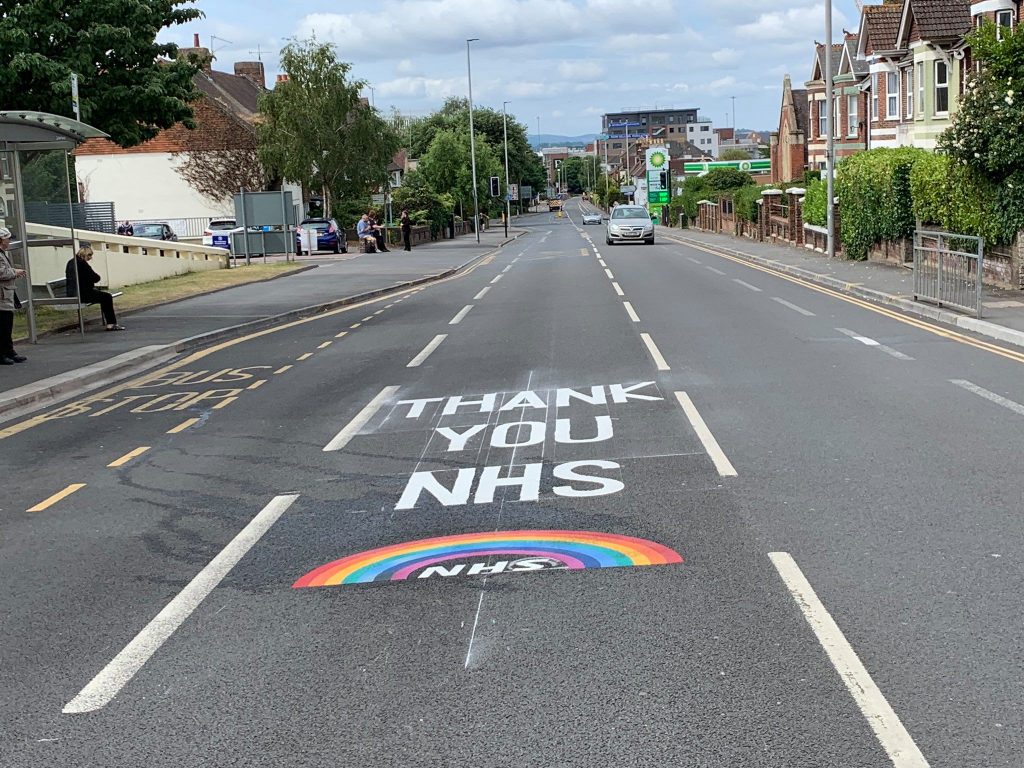
What preformed thermoplastic is, why it outperforms line paint on precision and durability, and how it improves pedestrian safety outside schools.
Reasons to Install Bespoke Outdoor Floor Markings for Your Business
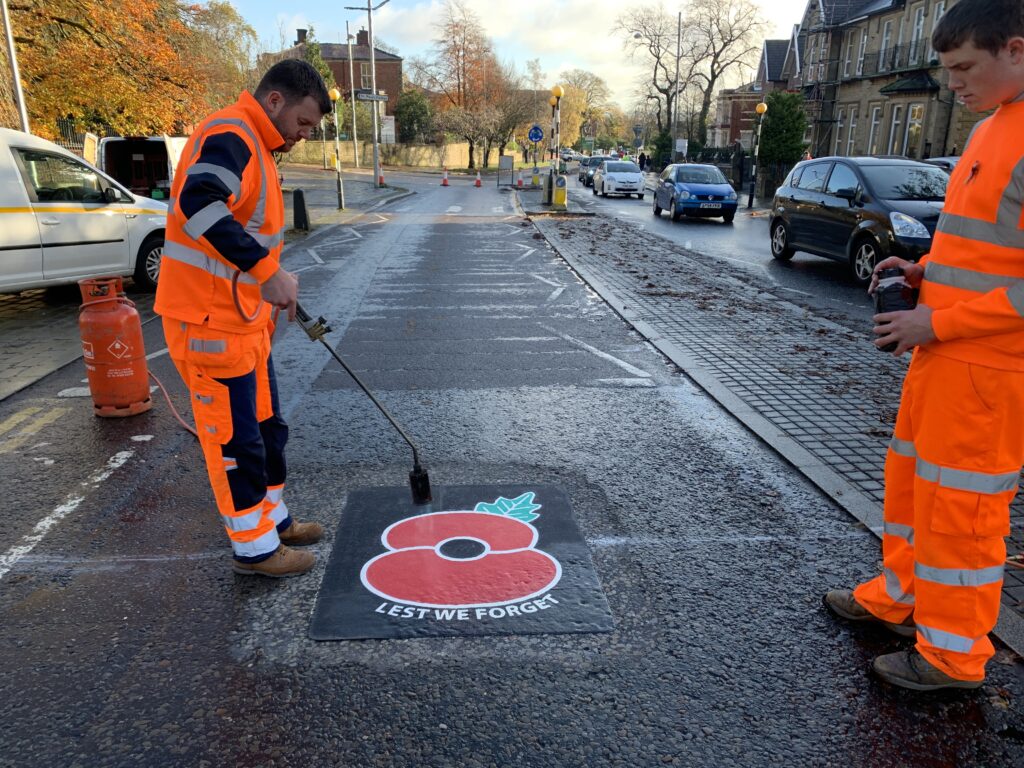
Bespoke outdoor markings can help your business stand out and even go a long way in supporting your advertising efforts. Business owners across the UK are
Road Safety and Efficiency with Corporate Line Markings
In conclusion, corporate line markings, particularly those made with thermoplastic materials, are an integral aspect of safety-focused infrastructure projects